
Discovering Ridglea Hills: The Neighborhood’s Origins
Tucked into the rolling landscapes of western Fort Worth, Ridglea Hills is a neighborhood with a history as layered as the oak-shaded streets that wind through it. Its charm isn’t just in the stately ranch homes or the breezes off Mary’s Creek, but in the stories that echo around every corner. To understand Ridglea Hills today, you have to journey back to its beginnings.
The area that became Ridglea Hills started as prairie land and ranch territory in the early 20th century. In the 1940s and 1950s, as Fort Worth began to stretch westward, the neighborhood was gradually developed, offering residents a taste of suburban tranquility without leaving behind the conveniences of the city. Much of the land was acquired from old ranch holdings, and the design of the neighborhood took great care to preserve the natural contours and scenic vistas that still define it.
How Ridglea Hills Got Its Name
The very name “Ridglea” is a nod to the geography that shaped this beloved enclave. “Ridge” refers to the gentle hills and rises that split the neighborhood, providing much of Ridglea Hills with its unique, undulating terrain. The "Lea" is an old English word for a meadow or open field, and pays homage to the original grasslands upon which the community was etched. Together, Ridglea evokes visions of rolling hills and open spaces—a fitting description even as new generations call it home.
Key Historical Milestones
Ridglea Hills has witnessed decades of change, each era leaving its mark. Here are a few pivotal moments:
- 1940s–1950s: Founding and Early Growth
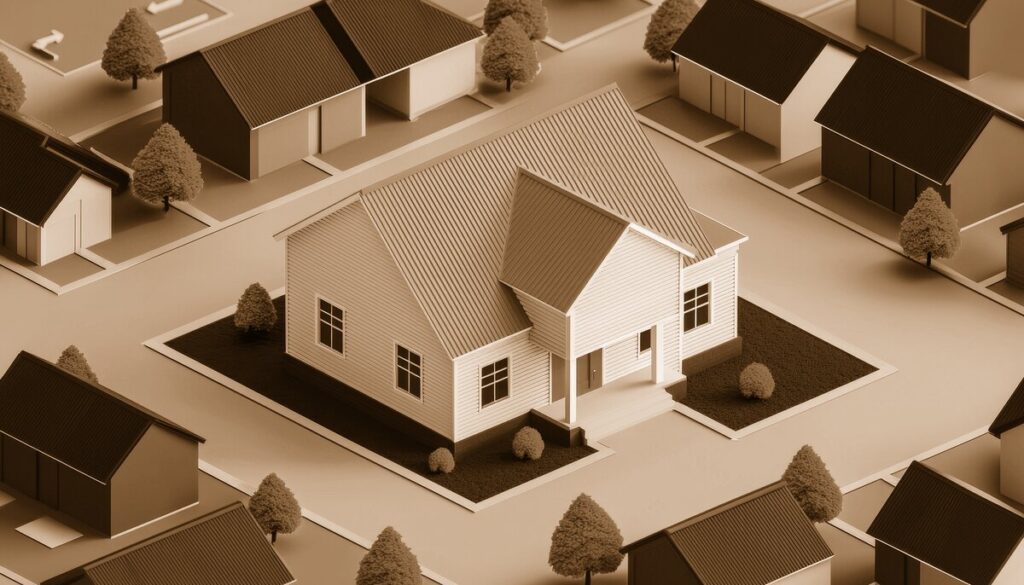
With the conclusion of World War II, Fort Worth experienced a housing boom. Developers saw potential in the quiet hills west of downtown. Early homes along streets like Clayton Road, Curzon Avenue, and Kenwick Avenue went up first, showcasing the low-slung rooflines and generous lots of postwar ranch architecture.
- 1950: Ridglea Theater Opens
The nearby Ridglea Theater became a cultural landmark upon its opening, drawing locals not just from Ridglea Hills but from all over Fort Worth. Though officially just east in Ridglea North, it quickly became an anchor for the community and still hosts movie nights and concerts decades later.
- 1960s–1970s: Schools and Community Anchors
The opening of Ridglea Hills Elementary on Cumberland Road marked a turning point. The school became the heart of the community, drawing young families and fostering a neighborhood spirit that remains vibrant. Around this time, Ridglea Hills Country Club also became a centerpiece for recreation and social gatherings, its golf course and events helping to knit the community together.
- Late 20th Century: Preservation and Pride
As Fort Worth continued growing, Ridglea Hills held firm, resisting trends toward high-density development and instead investing in tree canopies and well-kept green spaces. Longtime residents established the Ridglea Hills Neighborhood Association to ensure voices were heard and the vision for the neighborhood’s charm protected.
Notable Landmarks and Institutions
No story about Ridglea Hills would be complete without mention of a few standout sites:
- Ridglea Hills Elementary School
A true anchor, the school draws families for miles, actively participating in community events, from the annual Fall Festival to parades and neighborhood beautification days.
- Ridglea Country Club
Known for its beautiful golf course overlapping the curving streets of the neighborhood, this club has become an emblem of Ridglea Hills’ classic Texas hospitality and recreation.
- Mary’s Creek
This meandering, tree-shaded creek winds through the southern edge of the neighborhood and is a favorite spot for walkers and nature lovers.
- Bryant Irvin Road
Along its borders, this thoroughfare marks not just a line between neighborhoods, but a gateway between busy city living and Ridglea’s slower pace and neighborly feel.
- Curzon Avenue and Kenwick Avenue
These tree-lined residential streets are dotted with mid-century architecture and a testament to the area’s postwar origins.
- The Ridglea Theater
Though not technically within Ridglea Hills’ bounds, this Spanish Revival gem on Camp Bowie Boulevard is essential to the area’s identity, hosting everything from classic film screenings to community fundraisers.
Evolution Through the Decades
Since its earliest days, Ridglea Hills has gracefully blended old and new. While many original ranch homes still stand, their wide porches and stone chimneys giving a nod to Fort Worth’s past, newer builds reflect a desire for updates while respecting neighborhood character.
Over the years, Ridglea Hills has adapted to the times. Families have planted deeper roots, with children often returning to raise their own families here. Block parties still happen in the spring, and neighborhood garage sales are as much a social event as they are commerce.
The proximity to Camp Bowie Boulevard means residents have always enjoyed easy access to some of Fort Worth’s best dining and shopping, while the development of walking and biking trails has made Ridglea Hills even more appealing to lovers of the outdoors.
Ridglea Hills Today: Community, Nature, and Enduring Spirit
What keeps Ridglea Hills special isn’t simply its picturesque streets or historic buildings. It’s the sense of belonging. Neighbors still greet each other by name, Halloween decorations spill beyond front lawns, and the Ridglea Hills Neighborhood Association gives residents a real say in how the community evolves.
Parks and playgrounds, from the rolling lawns along Edgehill Road to the pocket parks and scenic spaces near Mary’s Creek, make sure Ridglea is more than houses; it’s about people and shared green spaces.
The community’s devotion to progress—without sacrificing heritage—ensures Ridglea Hills continues to be a place where past and present walk hand in hand. Whether you’re strolling down Kenwick Avenue or joining a weekend gathering at the country club, you’re part of a neighborhood where history isn’t just remembered; it’s lived, every day.
For anyone seeking the perfect blend of storied past and welcoming promise, Ridglea Hills is, and always has been, a shining chapter in the narrative of Fort Worth.